How business owners are getting 10+ hours back every week and quietly taking Fridays off with a new secret AI-system set up in 14 days
And claim the same repetitive tasks that used to eat 2+ hours of their day (reports, emails, customer service) now take less than 10 minutes. All running on tools their team already uses.
Show Me How This Works30 minutes. No pitch. No bullshit. Just clarity on where your business is bleeding time.
Stop being the most expensive employee doing the cheapest work in your business
Dear Brand Owner,
You grabbed your phone before your feet hit the floor.
Slack first. Four unread threads.
Then email. Your 3PL flagged a shipping delay. Your media buyer needs creative approval. There's a customer complaint your CS person escalated.
Ah yes. Another morning in paradise.
You had plans for this morning. Strategy stuff. The Q2 marketing plan. That new product launch you keep pushing back.
Instead, you're pulling last week's ad performance from Triple Whale. Manually. Again.
Then cross-referencing it with Klaviyo. Manually. Again.
Then updating a spreadsheet that three people need but nobody maintains.
It's 11:30am. You haven't done a single thing that actually grows the business.
And you know what the worst part is? You're good at this stuff. That's the trap. You can do it faster than anyone on your team. So you keep doing it. And doing it. And doing it.
Friday rolls around and you're still catching up on what Monday was supposed to be. That day off you keep promising yourself? It never comes.
And it's not just the hours. It's what it costs you outside of work.
You're at dinner with your partner. But mentally you're triaging tomorrow's to-do list. You check Slack under the table and pretend you didn't.
Weekends feel like a shorter version of the workweek. Just without the team asking you questions.
You built this brand so you could have freedom. But most days it feels like the brand owns you.
Sound familiar?
Here's the part nobody talks about:
You didn't build a $2M+ brand to spend your Tuesday morning troubleshooting a Zapier workflow.
You didn't hire a team of five so you could still be the one answering customer emails about shipping times.
You didn't sacrifice years of late nights and missed holidays so you could be the most expensive person in the company doing the cheapest work.
But here you are.
And the worst part? You've tried to fix it.
There is a fix. A real one. I'll show you exactly what it looks like in a few minutes.
But first, I need you to see why everything you've tried so far keeps falling short.
(Trust me, this part's important.)
What you should never do when trying to "automate" your Shopify business
You've used AI.
You've heard what it can do. The demos. The Twitter threads. The "I replaced my entire team with ClawdBot" posts.
You're not skeptical. You know AI is powerful.
You just haven't had time to figure out how to make it work for your business.
Between managing your team, putting out fires, and running the day-to-day, "go deep on AI" keeps getting pushed to next week.
And next week never comes.
So here's what you've done instead.
You opened ChatGPT. Typed a question. Got a decent answer.
Maybe you used it to draft email copy. Brainstorm content ideas. Get advice on a marketing problem.
Useful.
But every single time, you start from zero.
It doesn't know your brand. Doesn't know your products. Doesn't know your 3PL has a 48-hour lead time or that your ad account is structured differently than most.
You spend 10 minutes giving context for 2 minutes of generic output.
Eventually you realize it's faster to just do the damn task yourself.
That's not AI working for you. That's you working for AI.
So you got clever.
Uploaded a bunch of PDFs. Pasted in your website. Dumped your SOPs into the chat.
Figured if you gave it enough context, it would finally get your business.
Instead, responses got slower. Less accurate.
New chat. Re-upload everything. Same shit.
You gave it your brand voice guidelines. Three conversations later it was writing like a generic marketing blog again.
Because here's the thing:
AI has a short-term memory.
The more context you give it, the better it performs.
But the more you talk to it, the more it forgets.
AI needs a system.
Without one, it's an assistant with early-onset amnesia. Brilliant in week one. Progressively losing everything you taught it.
Maybe you tried keeping a prompt list. A Google Doc with your best prompts so you don't rewrite them every time.
That doesn't solve the forgetting problem.
It doesn't connect to your tools. It doesn't know what happened yesterday.
You're still copy-pasting context into a blank chat window hoping this time it sticks.
You know AI should be saving you hours. Instead it's costing you hours.
And the worst part? You can't even tell if the problem is the AI or you.
(Spoiler: it's neither. I'll explain in a sec.)
The "human glue" problem: why every system in your business still requires YOU to connect the dots
And meanwhile, the old problems haven't gone anywhere.
You hired people. Payroll went up. The work didn't go down.
The bottleneck was never headcount.
It was the fact that every system in your business requires YOU as the human glue between them.
Shopify doesn't talk to your project management tool.
Klaviyo doesn't talk to your ad reports.
Your SOPs live in a Google Doc nobody's opened since you wrote them.
Another person just means another person asking you questions. Waiting for your approvals. Needing your context to do their job.
You tried an agency. $5k/month. A kickoff call, a Slack channel, and a "strategy deck."
Three months later you couldn't point to a single thing that changed in your actual day-to-day operations.
Because agencies sell deliverables. Reports. Audits. Recommendations.
They don't sit inside your business and do the work.
So here you are. Doing it yourself. Because at least when you do it, it gets done right.
But you know this isn't sustainable.
Something has to change. And not "try another AI tool" change.
The tools were never the problem.
30 minutes. No pitch. Just clarity on where your business is bleeding time.
The little-known reason your team wastes 10+ hours a week, and it has nothing to do with headcount
Every week you stay stuck in this cycle, your competitors are pulling ahead.
Not because they're smarter.
Because they've figured out how to make their systems do the repetitive work. So their team can focus on growth.
The gap between you and them isn't talent. It's not budget.
It's that they've solved the problem you're still muscling through manually.
And that gap gets wider every single week.
So what's the actual problem?
It's not the AI. The AI is incredible. You know that already.
The problem is that nobody set it up properly for your business.
No context. No memory. No connection to the tools you already use.
Just a raw brain. And you're expected to figure it out yourself.
That's like handing someone a professional kitchen and expecting them to run a restaurant because the equipment is good.
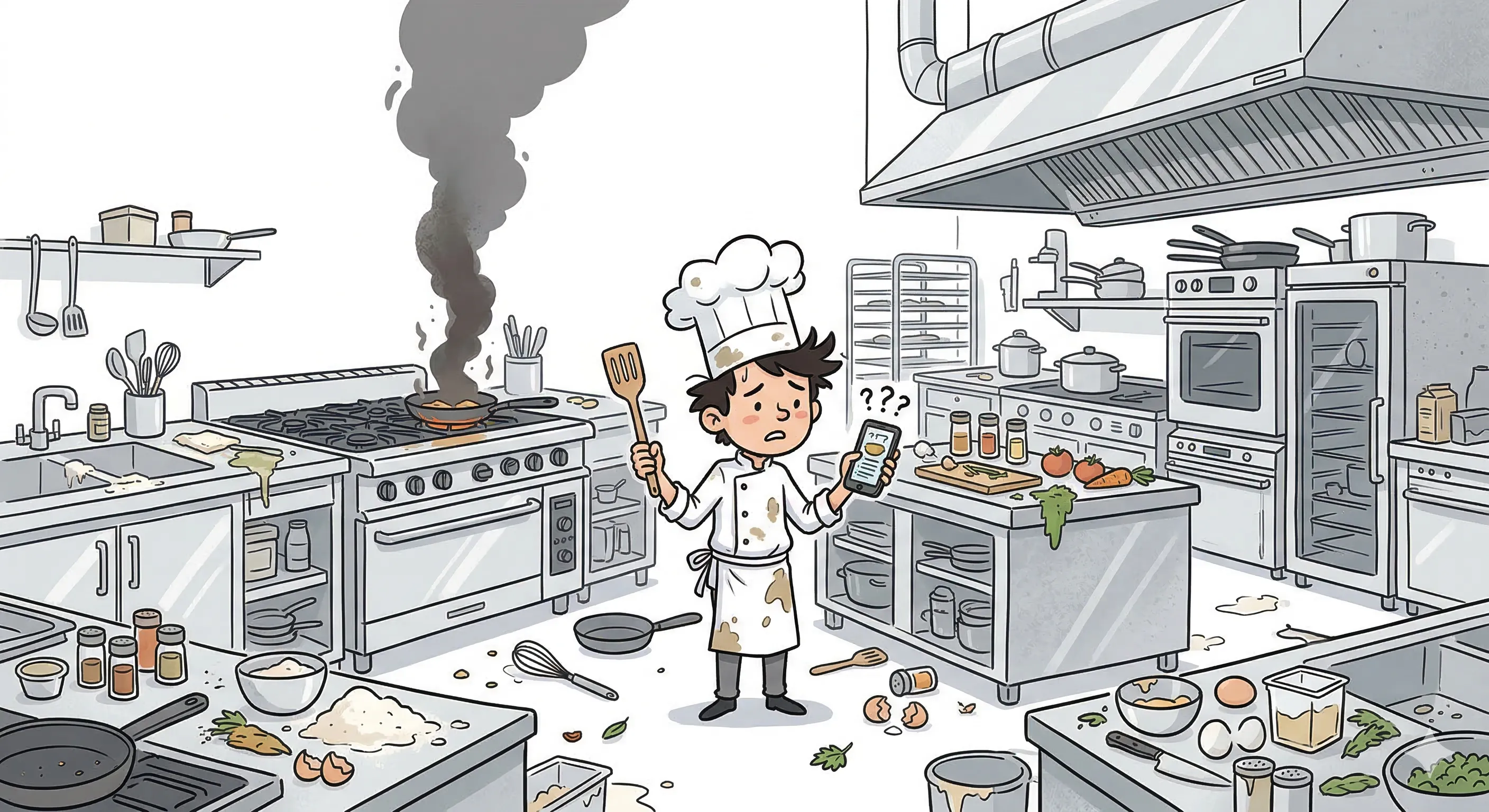
The equipment was never the bottleneck. The system around it was.
I build that system.
And there's one piece in particular that changes everything.
Later I'll show you exactly what it looks like in action.
A full week of content planned, ad reports generated, and product briefs drafted before your team opens their laptops on Monday.
But first, let me show you the piece that makes it all work:
(Bear with me — this is the part where most people go "oh shit, THAT'S what I've been missing.")
How to get AI to actually know your business, your brand voice, your products, and your SOPs
The answer is skills.
Not "skills" as in talent. And not just uploading a bunch of PDFs into a chat and hoping for the best. You've already tried that.
Skills are special instructions that live permanently inside your AI system.
Loaded automatically before every task. Every time.
No re-uploading. No copy-pasting. No forgetting.
Think about hiring someone new. You don't just hand them a laptop and say "figure it out."
You walk them through the brand voice. The product line. The tools. The quirks that only insiders know.
That's exactly what I build for your AI. Except it never forgets any of it.
And here's where it gets stupid good.
Any process your team refines with the AI can be turned into a new skill.
Figured out the perfect way to structure your weekly ad reports? That's a skill now.
Dialed in your email promo tone after three rounds of feedback? Skill.
Nailed your product launch brief format? Skill.
The system gets sharper every week you use it.
Not dumber. Not slower. Better.
But skills are just one piece. The full system looks something like this:
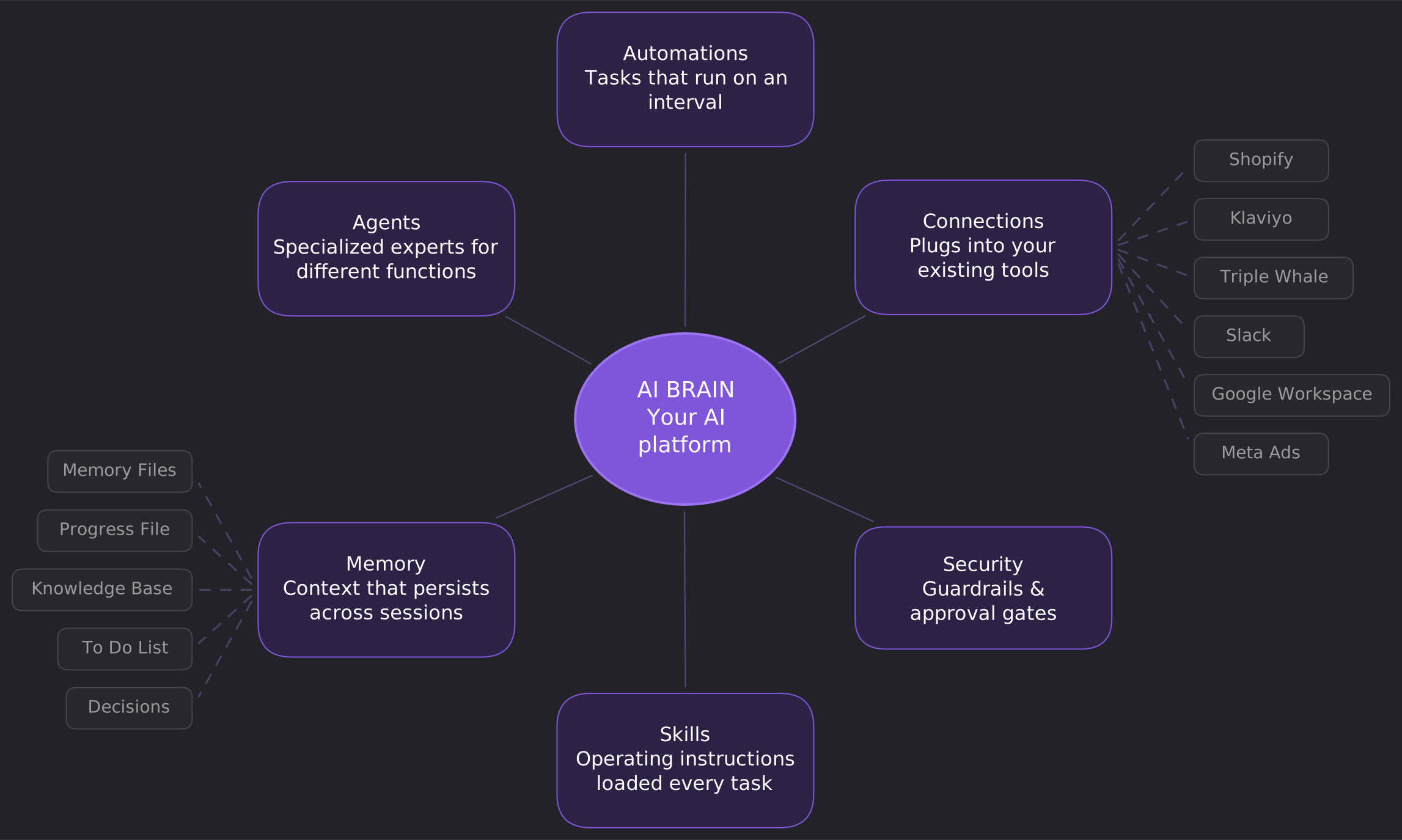
Pretty, right?
But pretty diagrams don't make you money. Let me show you the piece that does.
The system that turns raw data into finished briefs, without your team touching a spreadsheet
This is where most AI setups hit a wall.
Your AI writes a great email draft. Now you copy-paste it into Gmail.
Your AI analyzes last week's ads. Now you manually update the spreadsheet.
Your AI creates a product brief. Now you drag it into Google Drive and Slack the link to your team.
The AI thinks. But you're still the one doing.
This system changes that.
Your AI reaches into the tools you already use.
Shopify. Klaviyo. Triple Whale. Google Workspace. Slack. Meta.
And actually finishes the work.
It pulls your ad performance data without you exporting a CSV.
Drafts the email and sends it (after you approve).
Generates the report and drops it where your team expects to find it.
No copy-pasting. No dragging files between tabs. No being the human glue between your own systems.
Your AI doesn't just think. It does.
And there's another layer I build.
One that gives your AI access to expert-level knowledge from any source you choose. Entire books. Courses. Podcasts. Frameworks.
But I'm saving that for the call. Because honestly? When I show people this part, it's the thing that makes them say "wait, it can do THAT?"
I'd rather show you live than try to explain it in text.
Right now, let me show you what all of this looks like when it's actually running:
How to get expert-level briefs, email drafts, and ad reports generated before your team opens their laptops on Monday
Monday morning. Your marketing manager opens her laptop.
She needs this week's content planned.
In the old world, that's half a day.
Pull last month's analytics. Check what competitors posted. Research trends. Brainstorm ideas. Write briefs. Update the content calendar.
Here's what happens now.
She types one line: "Plan this week's content."
The system spins up an agent loaded with your analytics skill.
It pulls your last 30 days of social media metrics. Scrapes your top three competitors' recent posts. What performed. What didn't. What you could iterate on.
At the same time, a second agent scours the internet for the latest content trends in your niche.
Both pass their findings back to the main agent.
It cross-references everything. Your performance. Your competitors. What's trending.
And generates new post ideas.
Not generic ideas. Ideas built on your brand voice, your product catalog, and your actual data.
It asks which ones she likes.
She picks four.
The system drafts them. Hooks. Captions. Storyboards. Scripts.
Using principles from the content creators and marketing experts you've loaded into the knowledge base.
Not "best practices" pulled from a Google search. The specific frameworks from the specific people you trust.
She reviews. Tweaks one caption. Approves the rest.
The system updates your content calendar. No manual entry. No spreadsheet. No copy-paste.
From "plan this week's content" to a populated calendar with researched, on-brand, data-backed posts. In minutes.
That's one workflow. Here's what else changes:
Last week's ad performance report? Already waiting when your media buyer logs in.
Broken down by campaign. Winners flagged. Rising CPAs called out. Budget shift recommendations included.
She didn't pull it. She didn't cross-reference three dashboards. It was there.
Product launch brief? Your ops person prompts the system once.
It pulls from your catalog, your past launches, your competitive positioning.
First draft in 3 minutes. A good one.
Customer escalation? Your CS lead gets a suggested response drafted in your brand voice.
Full order history already pulled. Review. Tweak. Send.
By Thursday, your team has shipped what used to take until Friday.
Friday comes. Nothing is on fire. Nothing is behind.
For the first time in months, you close your laptop and it stays closed.
That's not a fantasy. That's what happens when your AI actually knows your business, connects to your tools, and has the system around it to do real work.
No pitch. No commitment. Just a clear plan.
The $30,000 problem hiding in your team's calendar
Let's do some quick math.
Your team wastes 10+ hours a week on work this system should be handling. And 10 is being nice about it — most teams I talk to are closer to 15 or 20.
At $30/hr average, that's $1,200 to $2,400 per month. In pure labor costs. On work that doesn't move the needle. On work that a system should've been doing this whole time.
That's $15,000 to $30,000 a year.
Spent on pulling reports. Drafting emails from scratch. Cross-referencing dashboards. Updating spreadsheets nobody reads.
And that's just one person. Multiply that across your team.
Now imagine getting most of that time back.
What would your marketing manager do with an extra 10 hours a week if she wasn't pulling reports?
What would your ops person ship if they weren't buried in busywork?
What would you do if Friday was actually free?
That's what this system delivers. And here's how we start:
Free 30-minute AI strategy call
Book your free 30-minute strategy call ($500 value). Here's what you walk away with — whether we work together or not:
A clear diagnosis of where your team is bleeding hours.
A tool recommendation matched to how your business actually operates.
A framework you can act on immediately. Like, tomorrow morning.
No pitch. No "let me loop in my sales team."
Just me. On a call. Telling you exactly what I'd build if I were you.
I take on 3 new clients per month. That's it.
Lock In My Free Strategy Call30 minutes. Zero fluff. I'll tell you where you're leaking time and money — even if you never hire me.
Why I'm practically begging you to take my money back
Look, I get it. You've heard promises before.
Every agency. Every tool. Every "game-changing" solution swore it would be different this time.
And every time, you ended up right back where you started. Except lighter in the wallet.
So I'm not going to ask you to trust me. I'm going to remove the risk entirely.
If your team isn't saving 10+ hours per week within 30 days of setup, you don't pay. Period.
Not a partial refund. Not credit toward future work. Not a "let's hop on a call and talk about it."
Full refund. No questions. No friction. No awkward email chain.
Why would I offer this?
Because I've built these systems. I know what happens when a team goes from manually pulling reports to having them ready before they open their laptops.
I know what happens when your AI actually knows your brand, your products, your SOPs.
And doesn't forget them the next day.
The results are borderline absurd. I don't need a contract to trap you into staying.
And honestly? If the system doesn't save your team 10+ hours a week, I don't deserve your money. Simple as that.
So here's the deal.
You try it. If it works, great. If it doesn't, you walk away with everything I built for you, and you don't pay a cent.
I'm the one taking the risk here. And I'm fine with that. (Frankly, I'm more worried you'll try to hire me full-time.)
Book your free AI strategy call
30 minutes. No pitch. Just clarity on where your business is leaking time and money.
Lock In My Free Strategy CallFrequently Asked Questions
P.S.
Every week you wait is another week your team spends 10+ hours on work a system should be handling. That's $1,200 to $2,400 gone. Every single week.
And right now, there's a founder in your category figuring out how to make AI work for their brand.
When they do, they'll move faster, ship more, and run leaner.
Not because they're smarter. Because their systems are.
Here's what happens on the call.
I'll ask how your business actually runs. Who does what. What takes too long. Where the bottlenecks are.
Then I'll tell you exactly which tools would fix it. Claude, Perplexity, n8n, or some combination.
And I'll map out what this secret AI-system would look like for your specific business.
You'll walk away with a clear plan. Whether you hire me or not.
30 minutes. No cost. No pitch.
I take on 3 clients a month. Spots fill up.
Don't be the person who reads this whole page, nods along, and then does absolutely nothing.